~ Bailey Shawley, M.Ed, CCTS-F, Specialized Parenting and Educational Consultant
Our children, and especially our tweens and teens, are tasked with so much today. Academically, socially and emotionally, they deal with standardized testing, bullying, cyberbullying, social media, countless texts, and fear of school shootings, and they have access to millions of videos and influencers with one click. All of it becomes quite a lot for these kids who also face social and academic pressures that many of us cannot fathom.
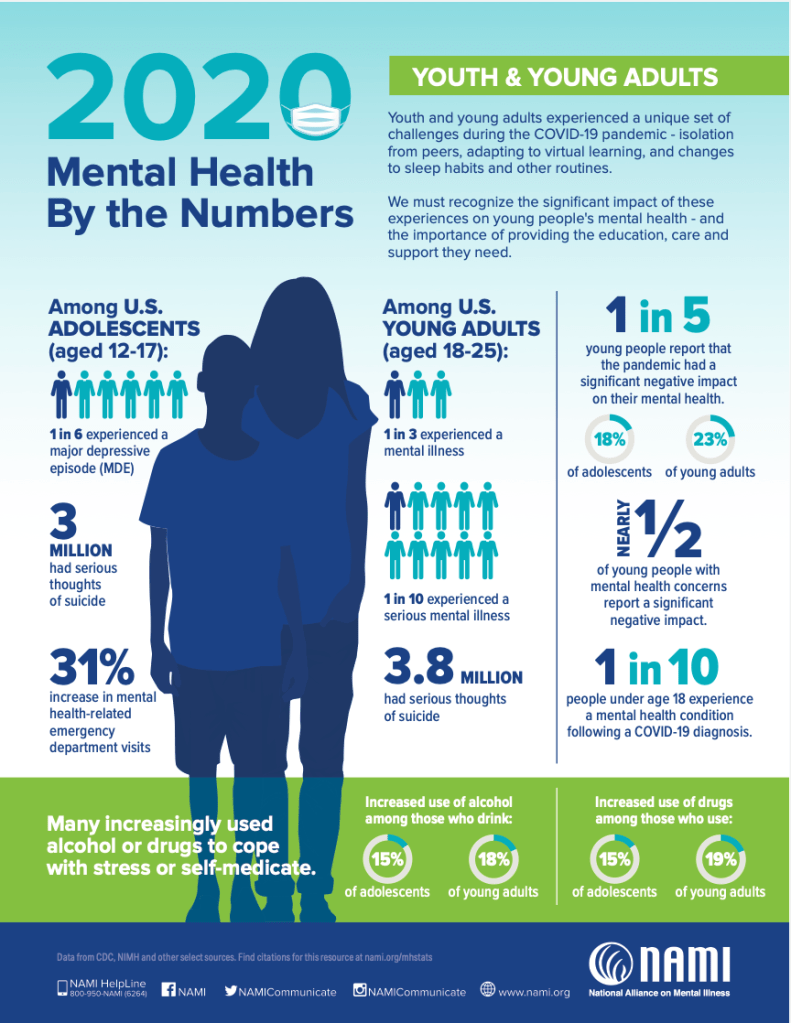
They also experienced an upside-down world that robbed them of social connections, extracurriculars, social learning situations, and normal childhoods for more than a year. In 2021, Surgeon General Vivek Murthy stated in his advisory on youth mental health: “The pandemic era’s unfathomable number of deaths, pervasive sense of fear, economic instability, and forced physical distancing from loved ones, friends, and communities have exacerbated the unprecedented stresses young people already faced. It would be a tragedy if we beat back one public health crisis only to allow another to grow in its place.”
Currently, the CDC reports that 1 in 5 youth, ages 13-18, have or have had a seriously debilitating mental illness. The U.S. Department of Health and Human Services also reports that “far too many young people are struggling with their mental health and unable to get the help they need.” In recent years, there have been increases in youth mental health disorders including depression, anxiety, and suicidal ideation (SI).
Dr. Gene Beresin, a child and adolescent psychiatrist at Mass General Brigham and executive director of the Clay Center for Young Healthy Minds, describes it as a “perfect storm” for tweens and teens: “They are worried about their future and are concerned about mass shootings, gun control, climate change, economic instability, sexual assaults, marginalization of people of color, immigrants, and LGBTQ individuals, war in Ukraine and the Middle East, and a seriously polarization of our population with difficulty if not inability to have civilized conversations and resolve conflict. In short, many feel deep anger, depression, and anxiety about the world they are inheriting.” In fact, the stress levels present in America’s youth today are so concerning that the American Academy of Pediatrics, American Academy of Child and Adolescent Psychiatry, and Children’s Hospital Association have declared a national state of emergency in children’s mental health, which comes on the heels of Dr. Murthy’s advisory statements that depression, anxiety, stress, loneliness, and suicide rates among our youth were “skyrocketing” prior to the COVID pandemic.
Add all of that to the “norm” of raging hormones, brain and body development, and puberty, and our kids are facing an uphill battle that a lot of us are thankful we did not have to navigate ourselves. But, we are trying to help them navigate it as their parents. We see our kids distracting themselves constantly, breaking controllers and cell phones when angry, slamming their fists into benches and walls, having panic attacks, refusing to go to school… We are realizing that the headlines and warnings about the mental health crisis in America are very real and are hitting very close to home.
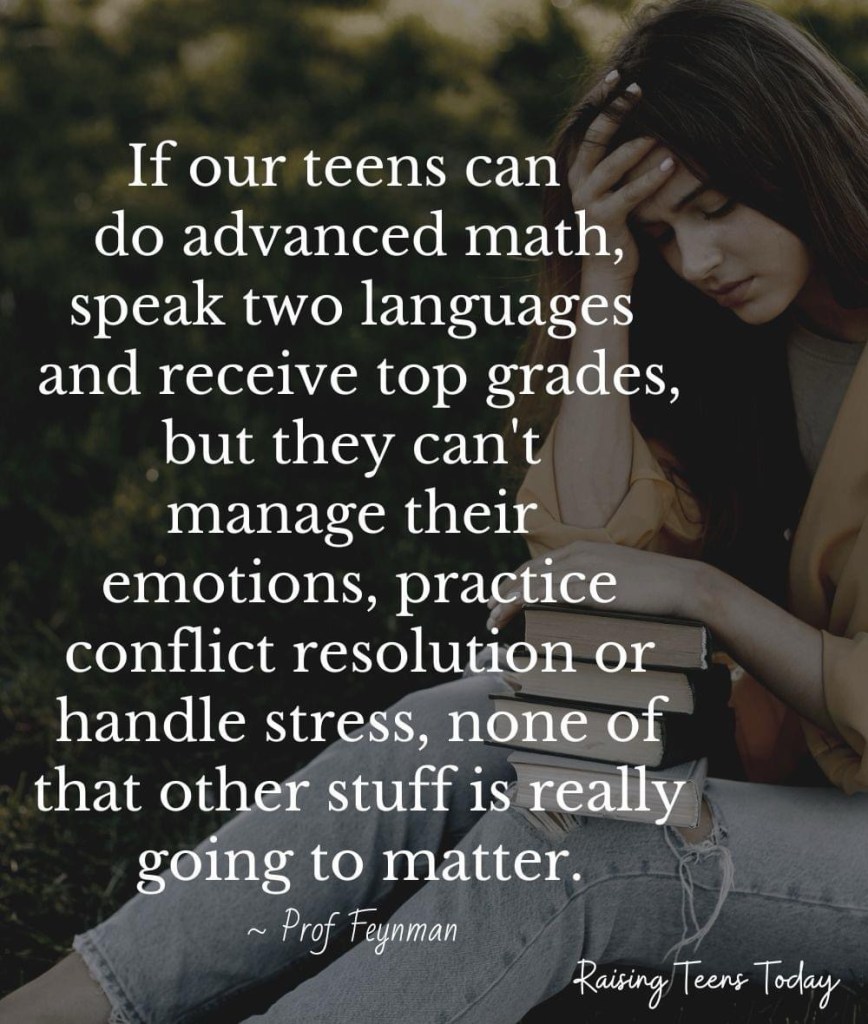
So, what are we to do as parents? The first step is to recognize that our kids’ academics, sports, and other extracurricular activities must take a backseat to their mental health. Thank goodness that Simone Biles, Michael Phelps, Naomi Osaka, Kevin Love, and other elite athletes and musicians are showing our kids just how important it is to take care of their mental health and break the stigma surrounding mental health treatment and self-care.
We also should encourage them to talk to their school counselors, school social workers, and trusted adults. Research shows that school connectedness is extremely beneficial to students’ health and well-being. Studies also show that teens with supportive relationships with their teachers experience better health as adults: “… improving students’ relationships with teachers could have important, positive and long-lasting effects beyond just academic success” according to Dr. Jinho Kim, author of the study that was published in the journal School Psychology. The good news for educators (and I would argue that the findings extend to coaches, mentors, and other positive adult role models), is that they don’t have to become mental health counselors overnight. Simply establishing positive connections with students positively impacts their mental health.
The second step is to approach our kids’ mental health the same way we do their physical health. When our kids have symptoms of an ear infection or strep throat, we call their primary doctor and make sure they take the medicine prescribed. When our kids have symptoms of stress, depression, anxiety, or other mental health issues, we need to do the same thing. We cannot chalk it up to their hormones or their age or a “bad day.” We must be just as mindful and diligent about their mental health as we are their physical health, and we must teach them to do the same.
As a parenting and educational consultant, I work with kids ages five and older and their parents. (I also work with educators, therapists, and other professionals who work with kids and who are struggling with burnout and secondary trauma.) Not every kid meets diagnostic criteria for a mental health diagnosis or requires clinical treatment. But, kids who are struggling certainly benefit from talking and working with a trained listener who can provide them with strategies, tools, and techniques for improving their mental health and overall wellbeing. Parents, guardians, and caregivers do, too.
When you’re ready to schedule an individual, parenting, or group consultation, reach out. The first consultation is free of charge to make sure we are a good fit and is available online or in person. Or, schedule a Reiki healing session or chakra reading. All B Connecting, LLC services are confidential and judgment free.