~ Bailey Shawley, M.Ed, CCTS-F, Specialized Parenting & Educational Consultant
Judgment. Criticism. Parents are doing the hardest work there is, and yet we often make it harder on ourselves by focusing on what others think about us. And our children. And how they behave. And how we discipline. And what they are wearing. And what we are wearing. And who isn’t wearing socks. And who… STOP.

Somehow, we are in the -ber months, and things are getting crazy. Stores have entered the trifecta of holidays: Halloween, Thanksgiving, and Christmas are everywhere you look. Holiday wishbooks landed in our mailboxes before the kids’ costumes were delivered. It’s October 22, and it’s easier to find Christmas tree cakes than Halloween cookie dough in most of our local stores. Schools are sending home announcements about Halloween parades on one side of the paper and holiday programs on the other side of the paper. And if we are overstimulated by all of it, just imagine how hard it is to be our kids, who are being pulled in all of those different directions while eating all of the sugar and seeing all of the lights and hearing all of the commercials. It’s a lot for everyone.
And yet, we still have to go to those stores and get those deliveries and navigate those schools and social situations, and we have to do it with our children in toe. So, we feel the eyes on us more than ever when our kids throw a tantrum, refuse to eat at a restaurant, or don’t do what we just begged them to do ten seconds before we got out of the car, and now here. we. are.
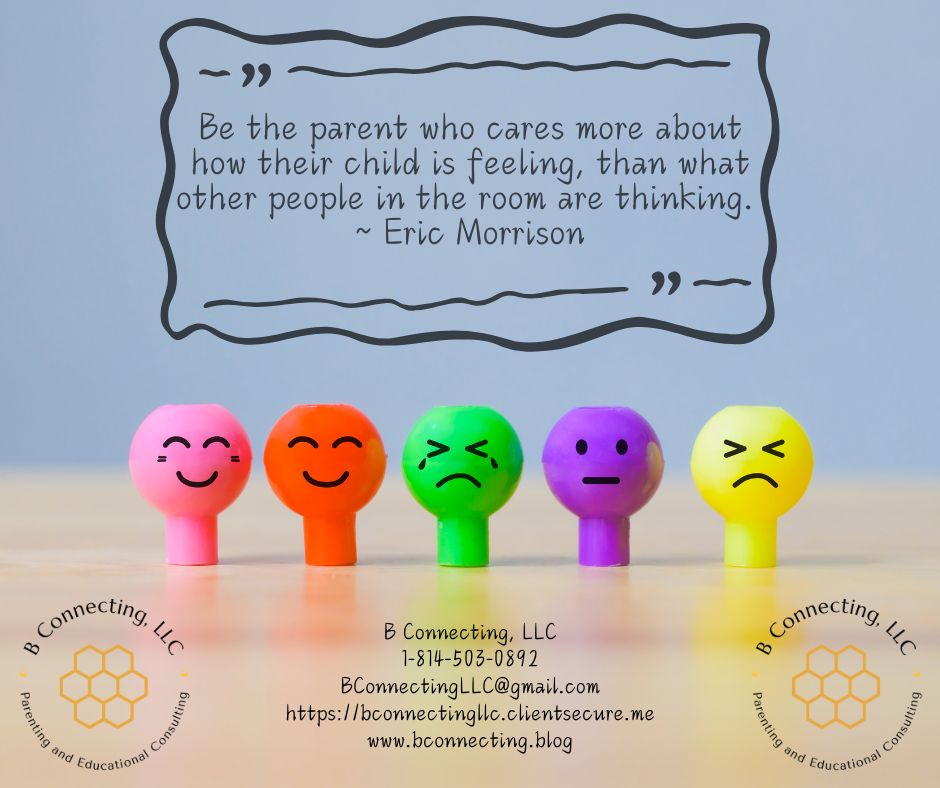
So, what’s a parent to do, especially this time of year when stress runs higher, days get shorter, and schedules get busier? We slow down. We increase our mindfulness of our kids’ emotions and our own. And we block out all of the other things and people who don’t matter. When we shift our focus to our children, public outings and social situations become a lot simpler, and often a lot more fun. Our minds and thoughts stay where they belong – on our children and ourselves – and not on the look that person just gave you.
I know it seems easier said than done. But, our little ones need our help. They’re tired and overstimulated, too. And they are sensitive to our stress and irritation, which makes it a really difficult emotional time for everyone. If we focus on the judgment and criticism that we perceive others are throwing at us, we parent from a very emotional, reactive space instead of from a very mindful, responsive space. These tips will help you get started on a better path.
- Begin by slowing down. When we rush and tell kids to hurry, they get stressed and start to emotionally dysregulate. If you really are pressed for time, park and then explain to them that you are going into the store for a specific purpose and that today is not the day to look at toys or decorations. Otherwise, explain that you will set your timer for X minutes (I recommend no more than five minutes) so they can look at items and then add them to their wishlist. Give them a pad and pen, if age appropriate, and they can make their list while you check yours.
- Stop and get down to their eye level. Most public places are not designed for kids. Fluorescent lights, loud music and people, items at arms’ reach, and large spaces are a recipe for disaster for families. When you notice your child’s early warning signs of overstimulation, it’s time to care for them. Stop what you are doing, look at them, and smile reassuringly. Tell them that it’s okay to breathe and calm. Model and guide them through it. Co-regulation strategies will help you, too.
- Take a break. If your kids are getting past the early warning signs of dysregulation, take them to a smaller, quieter space, like the family restroom or your vehicle. Leave your food on the table or your cart full of groceries and make your child your priority. Those five minutes of co-regulation through deep breathing, using brain breaks, running water, completing a guided meditation, etc. will be well worth your time in the long run. And you will be showing your children how to recognize their emotion, work through it, and resume their day in a healthy way.
When you handle a situation mindfully with an appropriate emotional response, you co-regulate with your children and make everyone’s day better. Let others stare, if they want. Hold your head high while guiding your children through their emotions. You may just teach another parent how to handle the situation the next time it happens in their family… because it does happen to everyone, and we all are doing the best we can.
Need more guidance on slowing down, using brain breaks, or using co-regulation strategies? When you’re ready to schedule an individual, parenting, or group consultation, reach out. The first consultation is free of charge to make sure we are a good fit and is available online or in person. Or, schedule a Reiki healing session or chakra reading. All B Connecting, LLC services are confidential and judgment free.