~ Bailey Shawley, M.Ed, CCTS-F, Specialized Parenting & Educational Consultant
I am the mother of one tween and one teen. I taught middle school and high school English for 12 years. I worked with kids in grades K-12 in school-based counseling for 6 years. I believe I heard every sarcastic, disrespectful, angry, frustrated, mean, and straight-up negative tone that exists over the course of my motherhood and career. I used to teach tone, for goodness’ sake. And believe me when I tell you that hearing a kid use a rude or disrespectful tone used to be one of my biggest pet peeves.
But, the more I learned about emotional dysregulation, the more I understood that tone is nothing more than a way to express an emotion, and it absolutely should not be taken personally by adults when they hear a certain tone from a child. It took me a long time to fully accept this, and my early years in the classroom and as a mother would have been so much easier had someone explained it to me sooner.
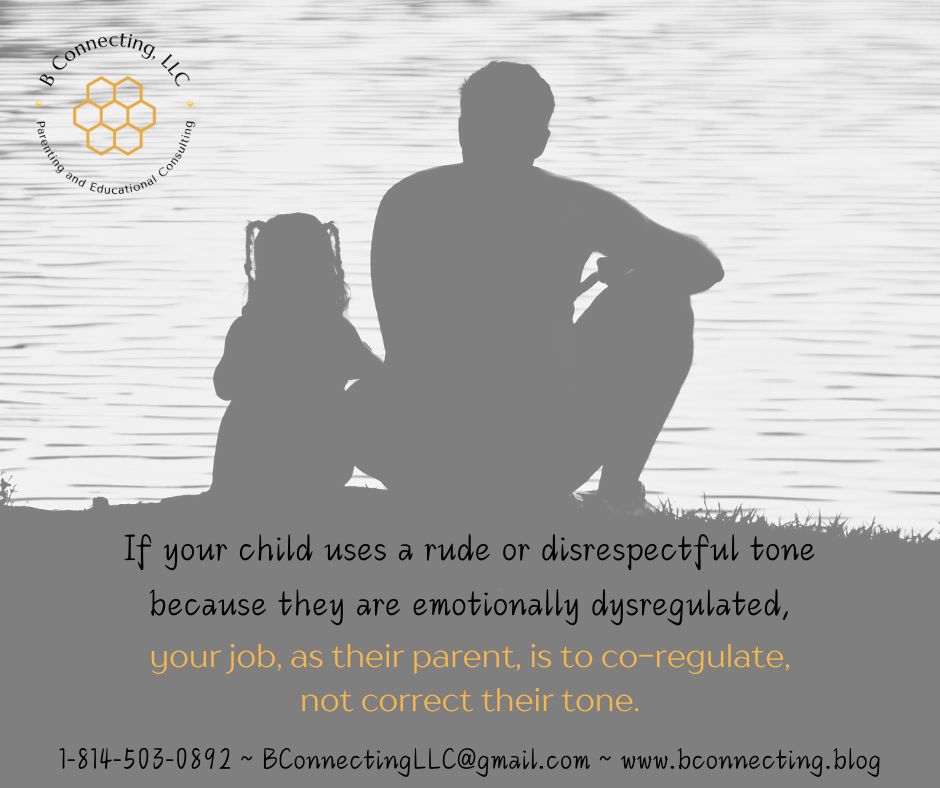
As parents, we often fall into the trap of believing that we are at the top of the food chain, that we automatically deserve our children’s respect, and that our feelings are the only ones that matter. In reality, that way of thinking is unhealthy and makes parenting so much more difficult.
More often than not, our kids’ behaviors and actions are a reflection of their emotions. Much like when we saw them rub their faces as babies and knew that it was nap time, we need to recognize that their tone signals that our kids need something. And the thing they need is emotional co-regulation with you so they can recognize, acknowledge, and move through the emotion in a healthy way.
Co-regulation first requires parents to self-regulate. If you are not managing your emotions in a healthy way while triggered by your child’s tone, you don’t have much hope of being able to calm them. I used to introduce tone to my students by asking them how they would get a puppy to come to them from under their bed. During the classroom exercise, they soon realized that screaming at the puppy was a waste of time because the harsh tone involved would frighten the puppy more; it would back away from them instead of moving toward them. I always enjoyed hearing my big, tough kids use gentle, coaxing tones by the end of the exercise.
That lesson about tone is invaluable to parents, too. Of course you have the urge to yell at your kids, tell them that their tone is unacceptable, and maybe even ask them who they think they are, talking to you like that. But, you’ll just end up getting a defensive reaction from them… and the cycle of tone, added to anger and higher volume, will continue.
Calming breathing, mindfulness, and empathy are key to parents self-regulating in triggering situations. And once you have mastered those, you logically can keep in mind that your tone and volume and response to your child must be helpful for co-regulation to occur. Thankfully, those are the same regulation strategies you can use with your child, so while you model them, you get to use them yourself. And your kids will see a calmer, gentler parent helping them through their negative emotions and will respond in kind. Better yet, they eventually will be able to self-regulate as well.
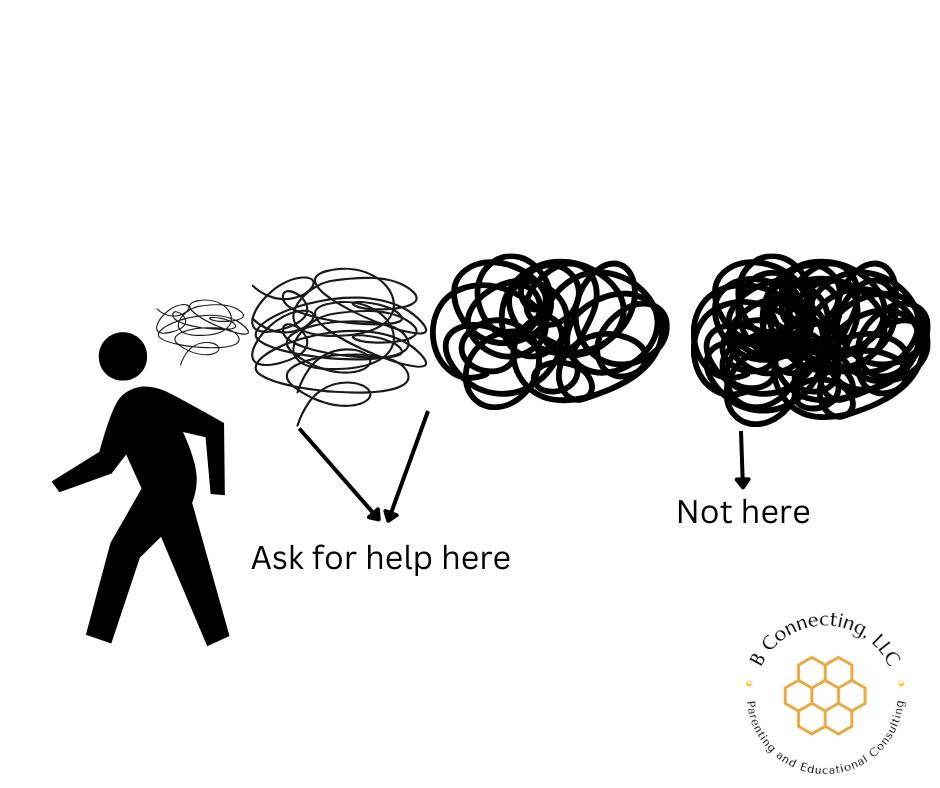
Another key to co-regulation is using effective strategies at the right time. Remember that baby rubbing their face? If you wait until the baby is screaming and miserable to start nap time, it will take much longer to get them to calm and sleep. But, if you are mindful of the face rubbing and start nap time immediately, your baby will fall asleep more quickly and calmly. The same applies to your kids, adolescents, and teens. If you wait until the tone escalates and you’re both triggered even further into emotional dysregulation, the strategies will not be as effective. That’s why parents who are mindful of their kids’ early warning signs of dysregulation are much more effective at co-regulation.
So, the next time you hear that dreaded tone from a child in your care, take a deep breath. Remind yourself that their tone is about their feelings and not about you. Then, approach them gently to provide support and help. You’ll avoid the confrontation and argument, and you both will feel better after co-regulating.
As a parenting and educational consultant, I help kids, adolescents, teens, and parents, guardians, and caregivers improve mindfulness of early warning signs, implement evidence-based coping skills, and utilize effective co-regulation and self-regulation strategies. These are not skills or strategies that everyone has been taught, but they make such a positive difference when families learn and implement them together. I’m ready to help when you’re ready to schedule with me. Remember, the initial consultation is free of charge and all B Connecting services are confidential and judgment free.