~ Bailey Shawley, M.Ed, CCTS-F, Specialized Parenting & Educational Consultant
I used to chuckle when I first met new clients during my school-based mental health counseling days and they asked if my job was to make them cry. I would answer that they could cry any time they needed to cry but that I wasn’t planning on torturing them into crying. That answer always lightened the mood – humor has a way of doing that – and also let them know that crying was okay. As our sessions progressed, and they learned that I was a trusted adult, most of them eventually did cry. And while making them cry was not my primary goal, it was a goal of therapy to help them feel and release their emotions in a healthy way and to help them start healing.
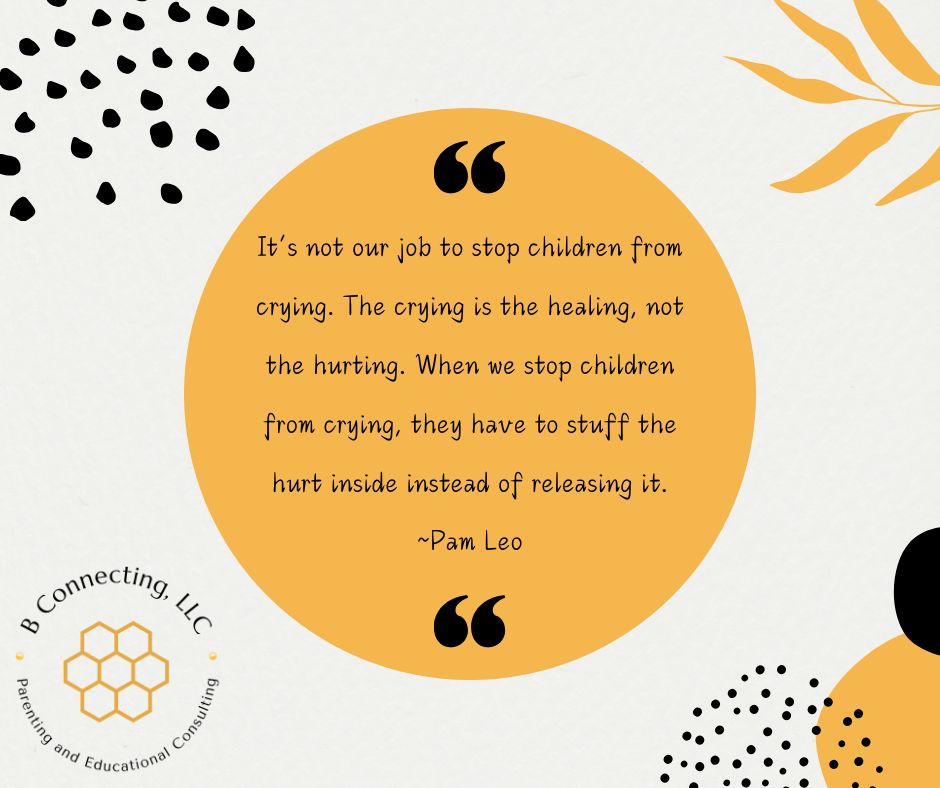
So, why do we hear so many parents, grandparents, babysitters, etc. telling kids not to cry? Honestly, it’s because we feel uncomfortable when we see other people crying. It gets loud, it gets messy, and we want them to stop crying so we feel better. It’s human nature not to want to see someone else suffer, but we need to shift our way of thinking and recognize that holding the feelings inside leads to more suffering. Letting out our emotions is when we heal and grow.
In therapy and consulting sessions, we use props like partially filled soda bottles and glitter wands to show kids how their emotions get jumbled up inside and how pressure builds until the emotions come out. And, believe me, kids’ emotions come out in unhealthy ways like banging heads on walls, smashing fists into doors, and breaking toys and electronics when they don’t know how to release them in healthy ways like crying, breathing deeply, and squeezing stress balls and pillows.
The problem is, so many adults have told kids to stop crying that kids think crying is bad. And many adults often don’t allow kids to see them cry, so we aren’t modeling crying as a healthy behavior; instead, we unintentionally impart to kids that crying is shameful and should be hidden. And some people also use demeaning terms like “crybaby” for kids who do cry a lot. That is what needs to stop.
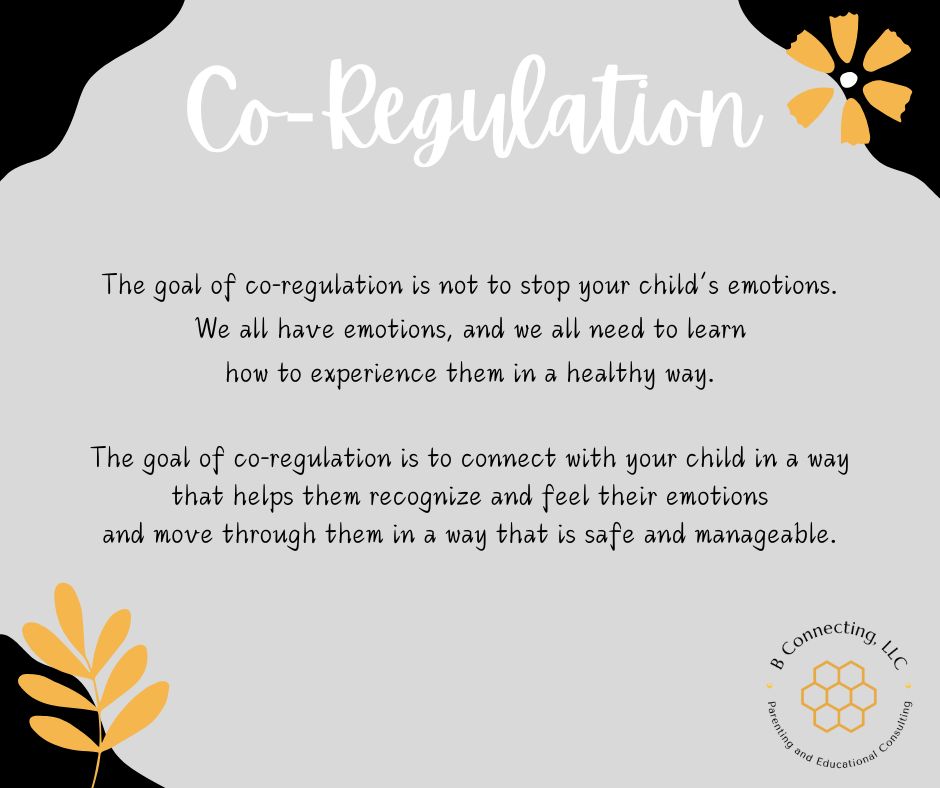
So, the narrative needs to change. We need to help kids understand that it’s good to cry and that they should cry. There’s a reason that we watch sad movies, listen to sad songs, and read sad books: those cathartic experiences are so healthy and so helpful. It’s even okay to have a meltdown every now and again. The key is to teach kids how to move through those emotions and support them while they do. That’s why I keep touting the need for co-regulation. We specifically need to help kids, adolescents, and teens understand that the goal is feeling the negative emotion, acknowledging it, and moving through it so they don’t get stuck there. One of my favorite sayings in session is, “Just don’t live there. Cry it out, refocus, and move forward.” But, if kids do get stuck there or have frequent or longer lasting crying spells, please talk to their doctor or reach out to my colleagues and me at Pine Creek Valley Wellness Center.
When we know better, we do better. And it’s time that adults do a better job of letting kids cry so that they can release their emotions and heal. Our temporary discomfort at seeing them cry is a small price to pay to co-regulate with them and start them on their journey toward improved mental health and well-being.
If you need support coping with your kids’ crying or learning to co-regulate, reach out to schedule an individual or family consulting session. Or, if you’re worried that your child cries too much, reach out and ask some questions. The first consultation is free of charge to make sure we are a good fit and is available online or in person. Or, schedule a Reiki healing session or chakra reading. All B Connecting, LLC services are confidential and judgment free.