~ Bailey Shawley, M.Ed, CCTS-F, Specialized Parenting & Educational Consultant
Parents can be very quick to point out what their kids are doing wrong, have done wrong, and continue to do wrong. Some tell their kids when they anger them, frustrate them, annoy them, disappoint them, and embarrass them. They let their kids know when they need to change their tone. They harp on their kids about their attitudes. They expect them to apologize and tell them why they would do that to them. They yell at their kids more than they talk to them.
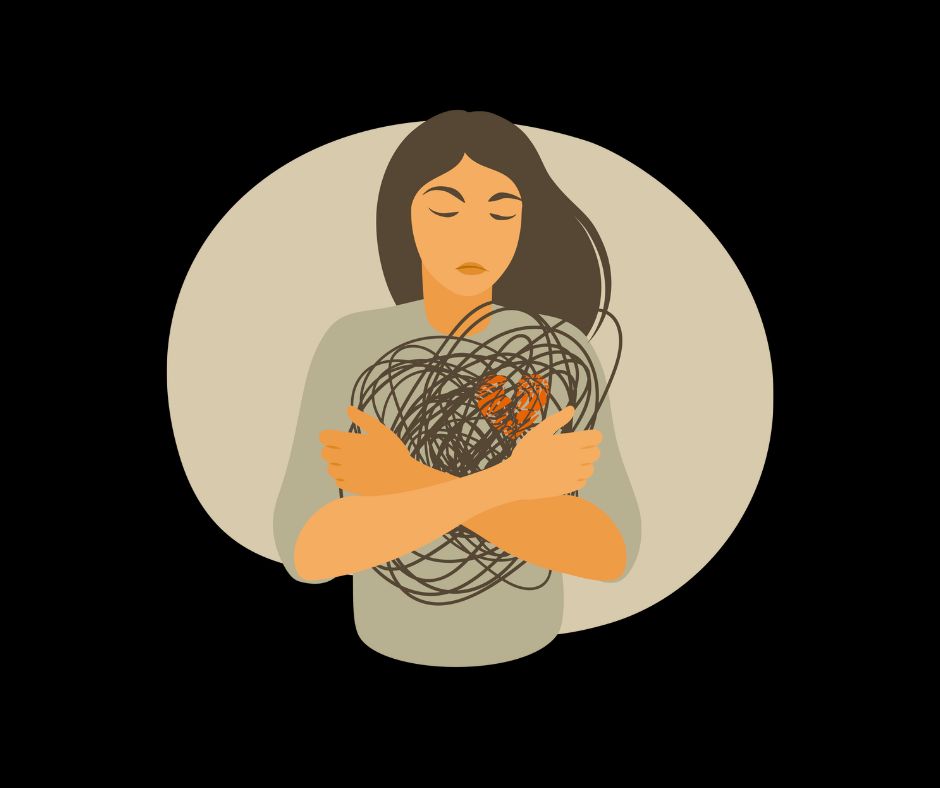
And most parents who engage in these behaviors and confrontations with their children do so because their parents did it to them. And because their grandparents did it to their parents. Yelling, guilt-tripping, shaming, blaming, accusing… all of it can be part of intergenerational trauma. Unfortunately, some people who experienced intergenerational trauma are unaware of their unresolved trauma because they parent the way they were parented, and they do not know that the patterns are unhealthy and unhelpful; it’s just the way things always have been in their family.
But it doesn’t have to be that way. Parents genuinely want to help their children but are unsure how to do it. They just know that nobody seems to be happy, nobody is getting along, and things are a lot more difficult than they thought they would be. Often, the first step is for parents to heal themselves so they can break the cycle of trauma. Seeking treatment from a trauma-informed clinical mental health provider like my colleagues at Pine Creek Valley Wellness Center is best practice. In the meantime, children can benefit from talking with a trained listener as well, whether they meet diagnostic criteria for mental health treatment with a clinician, don’t yet meet diagnostic criteria and want to talk to a consultant like myself, or already are in mental health treatment and could benefit from working with their parents in family consulting sessions at B Connecting, LLC.
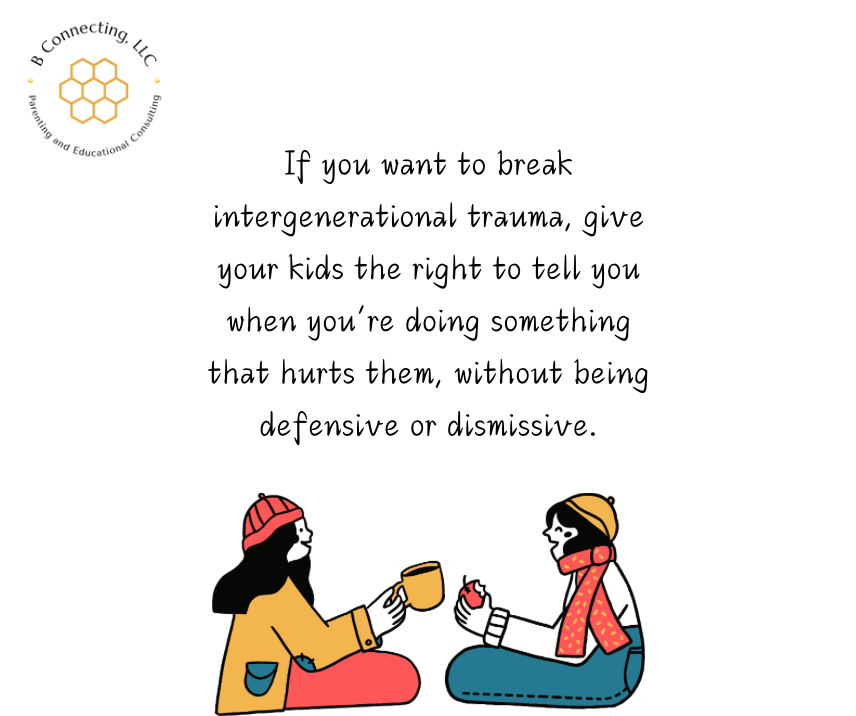
By engaging in trauma-informed care, families can heal and break the cycle. They also can improve their communication, if everyone involved is willing to take accountability. That means parents need to be ready to listen to their children tell them what they are doing or saying that hurts them. Parents also need to be able to hear that information from their children without reacting in a defensive or dismissive way. That is when healing really takes place.
It is a total shift in thinking for families. Parents who held only their children accountable for behaviors and challenges in the home must be ready to take accountability for their own behaviors and the challenges they created as well. With the support of a trauma-informed mental health professional, it becomes easier for everyone to take accountability and make changes to improve the family’s mental health and well-being. We are here to help every step of the way. You just need to reach out to get started.
If you think that you may have experienced intergenerational trauma or have unresolved trauma, or if you think that communication and relationships in your home could be improved, reach out to schedule an initial consultation. The initial consultation, whether in person or online, is free of charge to ensure we are a good fit for one another, and all B Connecting, LLC services are confidential and judgment free. Or, contact me to schedule a half-hour or full-hour Reiki session. In addition to daytime hours, I have limited evening and weekend hours available.
 B Connecting, LLC