~ Bailey Shawley, M.Ed, CCTS-F, Specialized Parenting & Educational Consultant
As parents, we want to protect our children. When they’re young, we baby-proof our homes, watch them like hawks when they eat, stay close during bath time and test the water temperature a hundred times, and check for loose objects on toys that could choke them. We follow behind them when they start toddling around, we make sure they wear helmets when they start riding bikes, and we ensure they wear weather-appropriate attire. We take them to the doctor and the dentist, make sure they have healthy food, and teach them to look both ways before crossing the street.
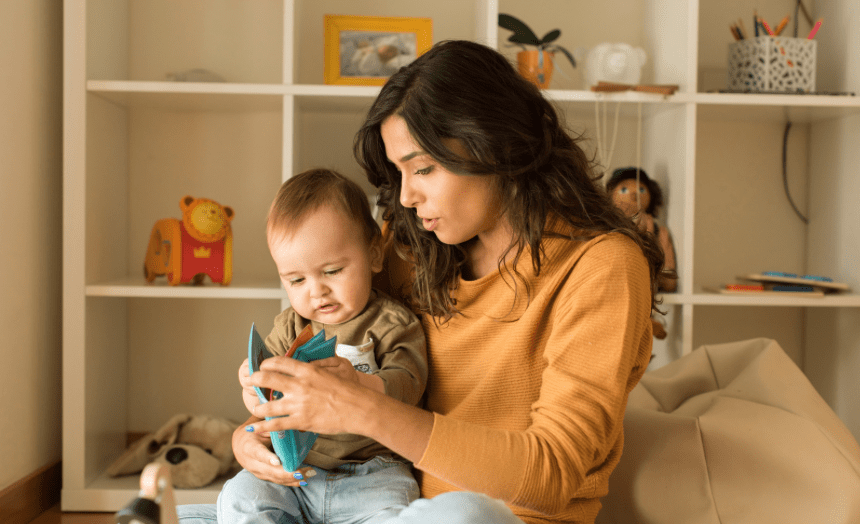
As our kids age, we strive to protect them in other ways. We teach them about internet safety. We monitor their electronics. We get apps so we know where they are. We make sure the music isn’t too loud in their AirPods, remind them to take care of their personal hygiene, and beg them to wear coats when the snow flies. We try to guide them toward friends who will build them up instead of tear them down. And, we get to know their friends and their friends’ parents so we can feel a little bit better about them being home far less than when they were small.
But, we often fail to protect our children from adult worries. They overhear fights between parents, exes, and significant others. They know when our finances are a little too strained because we tell them how much we spend on everything. Worst of all, they know our personal struggles, fears, and concerns. I think parents, in our efforts to be open and honest with our children, have forgotten that kids don’t need to know everything that is going on in our adult lives, or in our minds.
While open communication is important in families, filtering information that kids should not be privy to is more important. Part of the reason that kids are more anxious and stressed today than ever before is that we are putting too much on their shoulders. And in some cases, parents use their kids as sounding boards and confidantes and fail to maintain firm boundaries between the parent and child roles. Our children are not our therapists or best friends, and we are doing them a great disservice by treating them as though they are.
There’s a quotation currently running rampant on social media: “Never let your storm get your kids wet.” It perfectly captures my sentiments, yet so many people seem to be misinterpreting its meaning. The quotation doesn’t mean that parents never should allow their kids to see them when they are angry, sad, or frustrated. We need to show our kids how we navigate those negative emotions in healthy ways, so they can learn to do the same. Our kids absolutely should see us cry, too.
But, we don’t need to tell our kids the causes and triggers of our negative emotions if they don’t involve them or are not age appropriate. We also should not allow our anxious thoughts and fears to enter our kids’ minds at all. Parents must use their filters, even when they are struggling themselves. It is our job to reassure and protect our kids, even through our tears. Don’t lie. Don’t make everything sound perfect. But, don’t overshare and overburden, either. Make sure that you are the one holding the umbrella over your kids when it pours, and then show them how to dance in the rain. They’ll need fewer umbrellas as they age if you do.
If you are struggling to maintain appropriate boundaries between yourself and your children, reach out to schedule an individual consultation. The initial consultation is free of charge to ensure we are a good fit for one another. Or, if you are feeling too stressed and anxious, reach out to schedule a Reiki healing session – they’re available for a half hour or a full hour. All B Connecting, LLC services are confidential and judgment free.

 B Connecting, LLC