~Bailey Shawley, M.Ed, CCTS-F, Specialized Parenting & Educational Consultant
A few years ago while shopping with my husband, we heard a boy swear and witnessed his mother turn to him and yell, “Watch your damn mouth!” Around that same time, we witnessed a toddler hit his older sister; the father slapped his hand and said, “We don’t hit!” I remember on both occasions, my husband and I looked at each other incredulously. It brought a whole new meaning to do as I say and not as I do.
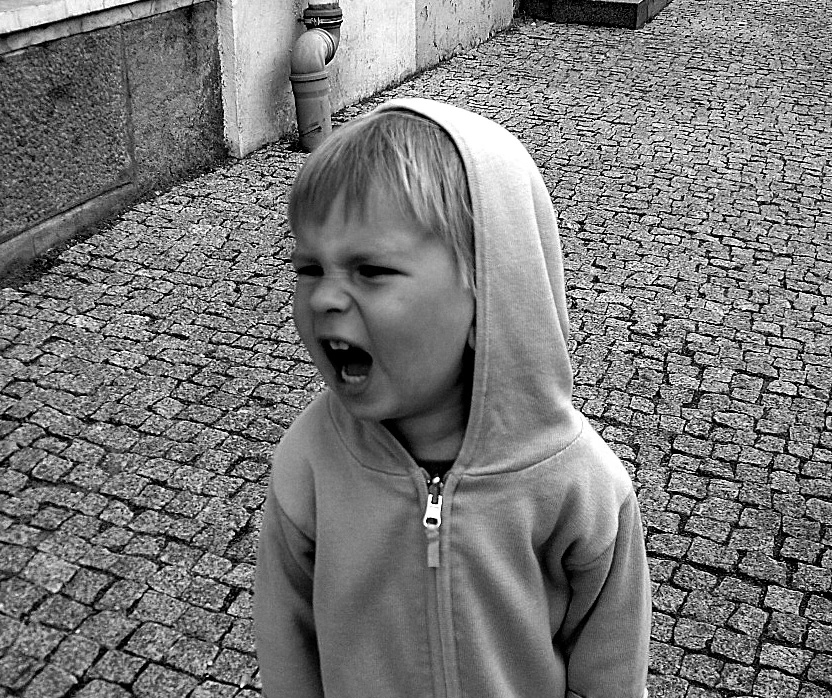
That was before we had children… before we knew how frustrating, maddening, and difficult it is to raise young people while trying to be the ideal role model at the same time. Now that we have two sons of our own, I understand where those parents’ reactions came from. But, I also know we can do better with the messages we send to our children about their behavior and our expectations. Our favorite little people’s brains still are developing. And, their childhood developmental levels mean that they do not understand sarcasm, irony, or gray areas well, if at all. Thus, our own language and behaviors need to match consistently if we are to expect our little ones to know what we do and do not want them to do.
Swearing while telling our child not to swear doesn’t make any sense. Slapping a child’s hand while telling him not to hit is confusing. Those reactions absolutely resulted from parent frustration, anger, and perhaps embarrassment about their children misbehaving in public. The challenge we parents face is managing our negative emotions before addressing our children so that we can do so from a logical, effective place instead of a negative, emotional place. In previous blog posts, I’ve written about the need for parents to pause after a trigger to create a space between it and our response so that we can breathe, regulate our emotions, and respond appropriately instead of reacting emotionally.
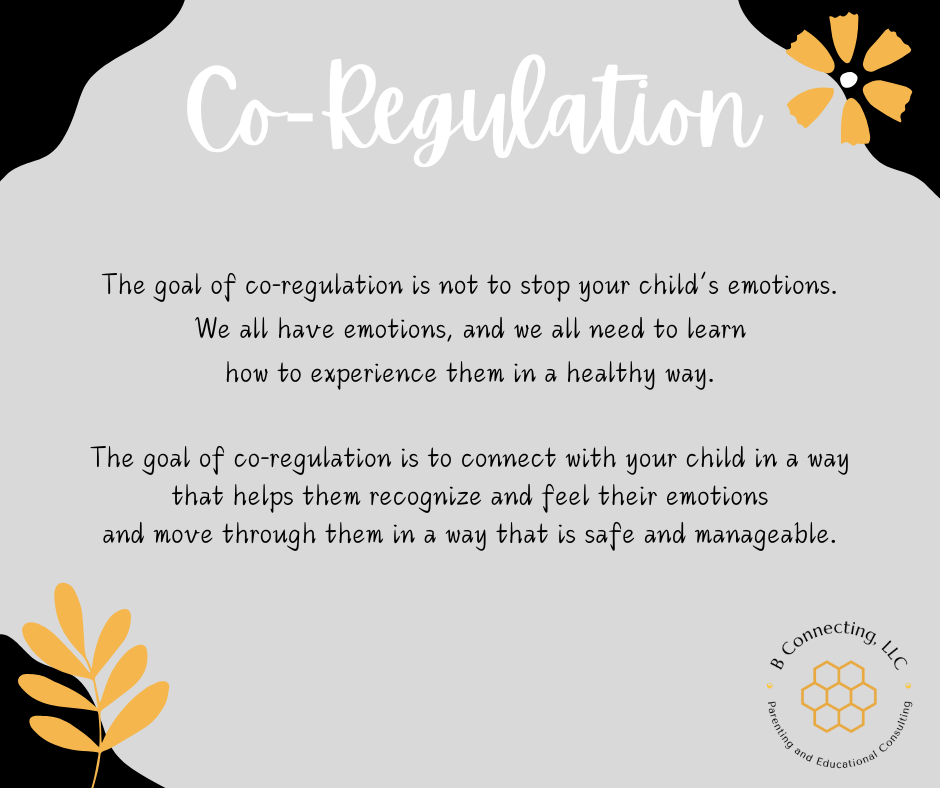
There is a reason that your child swore. There is a reason that your child hit his sibling. And there are reasons for throwing tantrums, ignoring, defying, and engaging in all of the other behaviors that we wish they wouldn’t. Many times, those reasons are that our kids were emotionally triggered themselves; they do not know what to do with those big emotions, so they come out as negative behaviors. Meeting their heightened emotions and negative behaviors with our own is a recipe for disaster every time. Rather, we need to take that pause to self-regulate so we can guide our children through their emotions using co-regulation. That’s what we want to model. Recognizing, acknowledging, and moving through negative emotions in safe ways to make them manageable.
So, the next time you feel like screaming, swearing, hitting, or throwing, remember that you are the adult who (hopefully) has learned some coping skills for those feelings. Put yourself in your child’s shoes and help them through their emotions like you wish someone had done for you at that age. Keep the message clear and consistent, and you’ll eventually find that you have to send that message a lot less frequently.
If you struggle to cope with negative emotions or reactions to your children, reach out to schedule an individual consulting session. Or, if your child needs support in learning coping skills and emotional regulation, schedule an individual session for 1-2 people or a family session for 3-5 people. All B Connecting, LLC services are confidential and judgment free, and the initial consultation is free of charge to ensure we are a good fit. Parents who are stressed also can benefit from scheduling a half-hour or full-hour Reiki healing session.

 B Connecting, LLC