~ Bailey Shawley, M.Ed, CCTS-F, Specialized Parenting & Educational Consultant
Our local sporting venues post signs reminding parents that the coaches and referees are volunteers and that the athletes are kids, and to please keep that in mind when commenting during the athletic events. Most of our local sports leagues include in the parent/athlete handbooks clearly-defined expectations for parents’ behavior on the sidelines and in the stands. A great deal has been written and shared about parents’ comments and behaviors on the sidelines, and I am not here to add to the noise. But, I do have a few observations and suggestions for athletes’ parents now that I have attended some elementary-age wrestling tournaments and seen parents struggling to calm their sobbing children.
I view wrestling as a very different type of sport. It’s personal and every move is under scrutiny. While the kids are part of a team, wrestling truly is an individual sport: it’s one kid versus one kid on those mats at a time. It’s a tough sport because all eyes are on you and it puts your strengths and weaknesses on display the entire time you perform. Over the years, several of my family members have wrestled – some much more successfully than others – and many have coached. When I was in junior high school, I was one of the wrestling team managers and kept the books. I still enjoy watching wrestling, and I am thankful that I understand it. So, I was thrilled when I saw so many young boys and girls at these elementary wrestling tournaments over the past few weeks. I think it helps that a few of our local high schools and universities have historically successful wrestling programs, too.
To give you some context, at our elementary tournaments, the wrestlers typically participate in three matches that are spread out over the course of the event. The majority of them sit in the stands with their families while waiting for their turn to wrestle. When the matches end, they shake hands with the coaches and get feedback from them and then return to their families in the bleachers. I was pleased to hear the vast majority of spectators cheering for kids, shouting helpful advice, “Bridge! Stand up! Get that arm!” and appreciating the aggressive moves and pins. As a basketball parent, I think some of our spectators could learn a thing or two about supportive comments from these wrestling parents, but that’s another story.
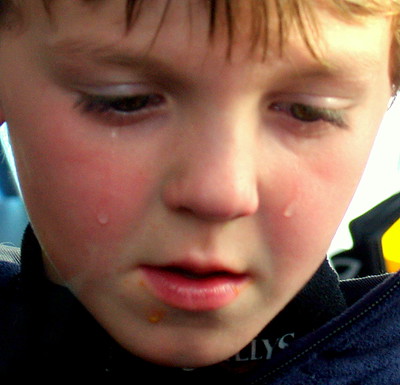
Many of these young wrestlers come off the mats either smiling or crying. For three, one-minute periods, they give it their all to be the victor. That involves a lot of adrenaline, stress, determination, and emotion, and I completely understand why their big feelings come out when they lose. It’s one of those times when I want to announce to parents not to give their kids a lecture when what they truly need is a hug. Fortunately, some parents quietly greeted their kids and tousled their hair, rubbed their backs, or hugged them and gave them time to de-escalate. Unfortunately, not every parent recognized their kids’ emotional needs and for one reason or another, reacted to them instead of responded to them. For example, one mother told her young son, “You need to just get over it when you lose. Why can’t you just get over it?”
As a sports mom myself, I get it. We want our kids to do well, and we feel just as much stress watching them as they feel while participating. Sometimes, we know they can perform better than they do and it is frustrating to see them struggle. But, these are our children; they are not professional athletes whose job is to outperform every single time. It is our job as the parent to be supportive when they fall short and not add to their disappointment, frustration, or anger. As I mentioned earlier, one of the best ways to do that is to greet them quietly. Show them that it’s okay and that you love them with a quick hug.
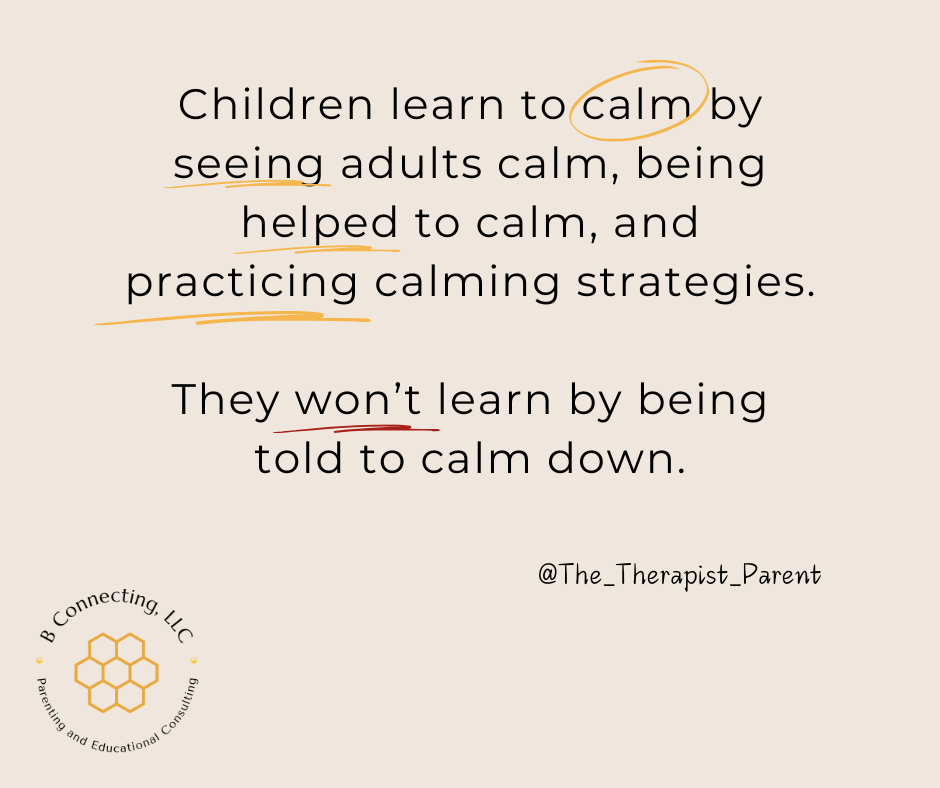
What we want to avoid is telling our kids to calm down. As adults, we know that hearing someone tell us to calm down when we need to calm down never works and often results in us getting more upset. Kids are the same way. They know they aren’t calm and hearing us tell them to calm is unhelpful, at best. Showing them how to calm through co-regulation is the best way to help them, whether it’s at a sporting event or not.
To help you get started on supporting your child athletes, consider these co-regulation tips that are easy to use in public forums like sporting events.
- Allow your child to cry if they need to. Don’t tell them to stop crying.
- Keep your voice calm and level. Don’t raise your voice or use a harsh tone.
- Get eye-to-eye with your child. Avoid standing over them in the bleachers.
- Put your hand on their back and take deep breaths; they likely will begin taking deep breaths, too.
- Offer them a healthy snack or a drink of water.
- If they need to complain or rant or rave, let them. When they finish, calmly tell them that it sounds like they just did a really tough thing and you are proud of them for trying their best.
- Tell them how much you enjoy getting to see them do something they love.
Imagine how many professional athletes who storm off the field/court/mat yelling and screaming profanity, throwing their equipment, and smashing their hands into walls would behave differently if their parents had helped them co-regulate when they were in youth sports. Imagine how much better your kids will be able to gauge their progress and work with their coaches when they can calm quickly and effectively. And, imagine how much pressure you will take off yourself knowing exactly what to say and how to say it by following the above-mentioned tips. Youth sports are about so much more than winning. And parenting needs to be about so much more than your feelings when your kid loses.
If you are a parent of a child-athlete and struggle in supporting them or helping them co-regulate, or, if you think that your child has difficulty calming even with your co-regulation guidance, reach out to schedule a consultation. The initial consultation is free to ensure we are a good fit, and it’s available online or in person. I also provide Reiki healing sessions and chakra readings that can help you calm and relax if you’ve been feeling a little too stressed about your child’s sporting events. All B Connecting, LLC services are confidential and judgment free.