~ Bailey Shawley, M.Ed, CCTS-F, Specialized Parenting & Educational Consultant
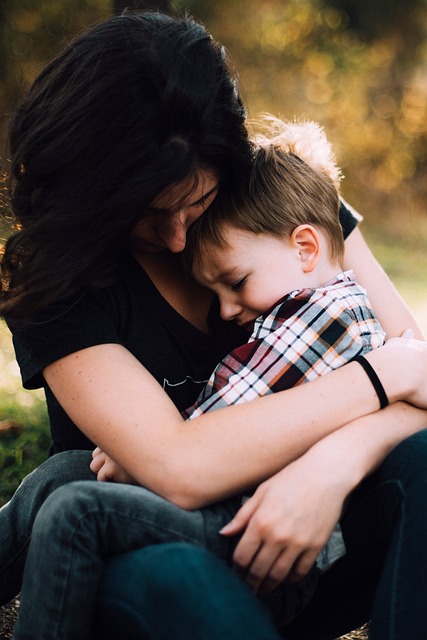
When our kids struggle, we struggle. We want them to be happy and safe and well-adjusted, and when they aren’t, we worry and struggle, too. And it’s often things like this that we don’t want to tell our friends because we feel like a failure if we admit to having those kinds of struggles, but we struggle even more when we don’t use our supports. If that’s not a vicious cycle, I don’t know what is.
Oh, sure, we rant and complain about our kids to our parent friends. It’s nice to know that their little ones suddenly stopped eating “normal” food for apparently no reason at all, too. It’s nice to know that they also find papers crumpled up and jammed into pockets and the bottom of book bags and 100 other places. It’s nice to know that their adolescents don’t wear coats when it’s cold, either. But, we often stop talking when we feel like we may say something a little too out of the ordinary or a little too concerning about our kids’ thoughts or behaviors.
I belong to a few mothers’ groups on Facebook. It’s been very helpful to be able to find out which stores have basketball shoes on sale, which grocery stores have sports drinks on sale, and which camps and activities are open for registration. But, I’ve been noticing an uptick in anonymous posts about kids’ struggles with sleep, friends, school, panic attacks, depression, and anxiety. I’m really glad parents are reaching out to see if they are alone and whether anyone has any suggestions for support, but it unsettles me that they feel the need to be anonymous. We tell our friends when our kids have asthma, diabetes, Osgood-Schlatter’s, eczema, and acne. And there are dozens of posts about those afflictions in those same Facebook groups that are not made anonymously. We don’t feel like those conditions are something that we need to hide from our friends. So, why do we feel that way about our kids’ social and emotional challenges?
I know that part of the reluctance to be open about family mental health struggles relates to the stigma surrounding mental health. The American Psychiatry Association explains: “Stigma not only directly affects individuals with mental illness but also the loved ones who support them, often including their family members.” Just as we were getting to the point where celebrities, musicians, and athletes were sharing their stories and being honest about their mental health challenges, the discourse changed and people appear to feel less safe discussing mental health issues and concerns again. And that’s very concerning to me as a mother and as a specialized consultant.
If we feel like we have failed when our kids struggle with their mental health, and we feel like we cannot talk about it because it is shameful or embarrassing, then we will not get the support we need as parents and our kids will not get the help or treatment they need, either. For all of our sakes, we need to talk about it more. We need to post openly so that people know how to reach out with resources and support. We need to normalize taking our kids – and ourselves – to consulting, counseling, and therapy sessions. We need to prioritize mental health for our families. We need to talk about it, and not just in whispers, to make that happen.
When I meet with new clients, I explain what it means to work with a consultant. More often than not, I hear, “I had no idea something like this existed!” I know that what I do is different, and it’s actually the reason that I do it. I heard from parents who felt like they had no idea where to begin when their kids’ behaviors and moods suddenly changed. I also heard from parents who felt like they had tried everything they could do, but nothing worked. As a specialized parenting and educational consultant, I have the luxury of meeting with parents for hour-long sessions to explore what happens within the home, how they attempt to address the challenges, how their child responds, and whether anything improves. If their kids already are in mental health services, I educate parents on their diagnoses and teach them evidence-based strategies and skills to support their kids. I also work with kids who have therapists and counselors, and I complement their work with additional coping skills and strategies to target behavior changes. When needed, I also help kids have difficult conversations with their parents to tell them how they trigger them or exacerbate their symptoms and what they can do to help more quickly and effectively. I keep the conversations going so that everyone ultimately gets and stays on the same page.
If you’re ready to talk about it, reach out to schedule a consulting session or schedule using the secure client portal. The initial consultation is free of charge to ensure we are a good fit for one another, and it is available online or in person. All B Connecting, LLC services are confidential and judgment free.