~ Bailey Shawley, MSEd, CCTS-F, Specialized Parenting & Educational Consultant
There are a lot of things happening in the world right now. While we may do our best to filter the news for our kids, they still overhear things on streaming services, in public, and at school, and they can see headlines pop up any time they hop on the internet. Unfortunately, my corner of the world has had its fair share of recent scary and tragic events. Naturally, I have seen an uptick in local social media parent group posts about what to tell our kids, and I’ve gotten a few messages and emails from parents asking me the same thing. My answer does not change: always answer your kids truthfully and age-appropriately every time they ask a question.
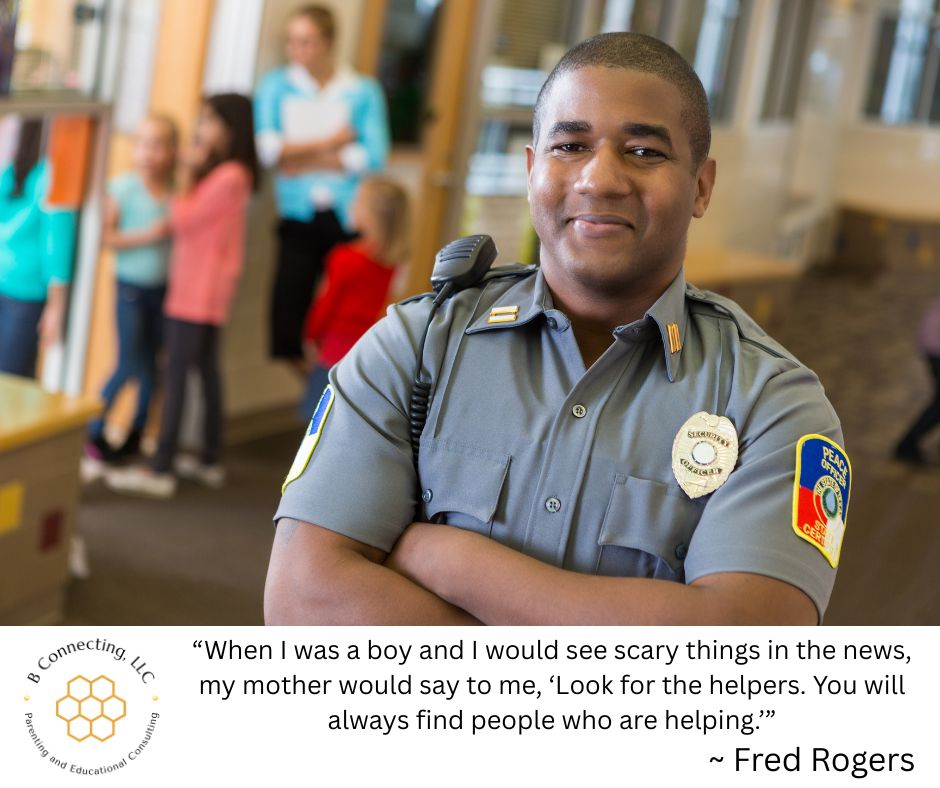
Should our younger kids know the details of the thwarted planned attack on a local high school? No. But, if they ask why people are talking about metal detectors and an increased police presence at school, we cannot lie to them or dismiss their question. The sad reality is that this is the world in which our kids are living. They are participating in lockdown drills themselves. So, we answer them. We focus on how the police and metal detectors keep everyone safe and how someone did the right thing by telling an adult that someone wanted to hurt people inside the school. We remind them about the helpers. We remind them that they know how to stay safe and that their teachers are trained to help them, too.
When it comes to older kids, we let them know that we are available to talk any time they need us. And when they do show up to talk, we stop everything, shut down all distractions, and give them our undivided attention so they feel validated and heard. And if they ask if we are scared, we tell them the truth. Then, we let them know that we trust the school officials and staff and police to keep them safe. And if they tell us that they’re too scared to go to school, we talk them through it and then get a school counselor or mental health provider involved.
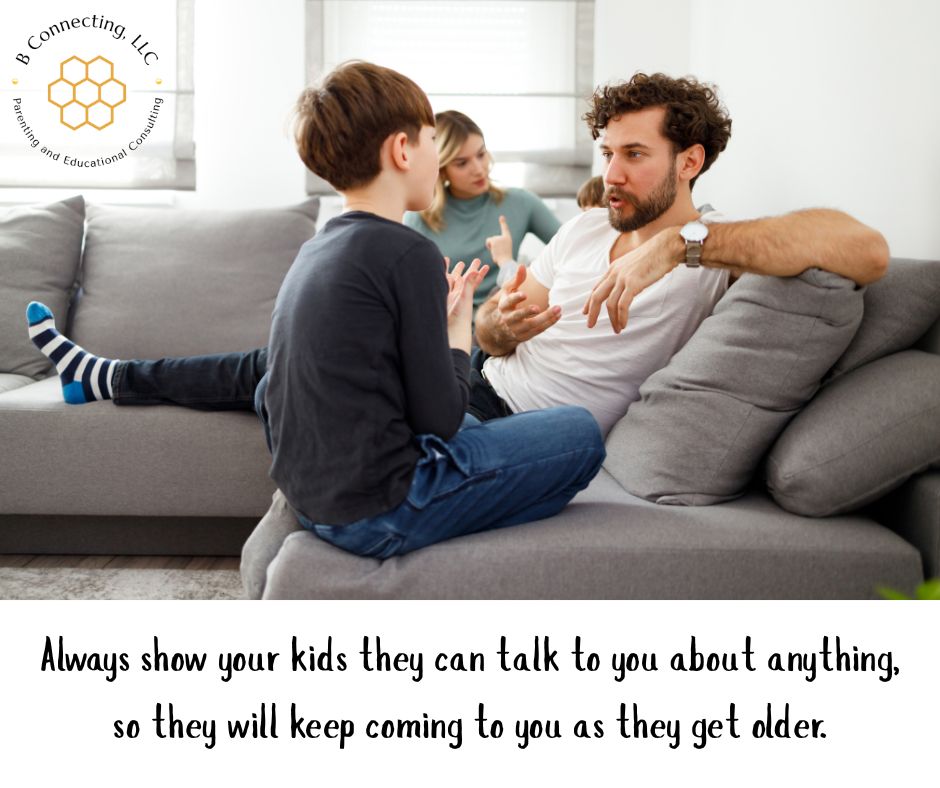
If kids are old enough to ask the questions, then they are old enough to hear the answers… within reason. Age-appropriate answers also vary from one child to the next. Some are more mature than others, some are more sensitive than others, and some are more anxious than others… we need to consider all of that when providing them with answers and information. We also need to be prepared for follow-up questions. Parents are used to getting dozens of questions from kids, and we must acknowledge their curiosity and respect them enough to answer them without telling them they don’t need to know or don’t need to worry about it. It’s also important to avoid telling kids that they shouldn’t ask questions about certain things because we insinuate that there are certain things they should not talk about, which can become a safety concern. Always show your kids they can talk to you about anything, so they will keep coming to you as they get older.
The thought of telling our kids about scary and tragic events can be intimidating and overwhelming. But we owe it to them to answer as thoughtfully and honestly as possible. The more open, honest, and transparent we are with our kids, and always in an age-appropriate way, the more likely they are to talk to us and seek our support and help. It creates a healthy cycle of communication, and it also helps to eliminate kids’ fears about having tough talks.
As a specialized parenting and educational consultant, I help parents navigate discussions about scary and tragic events, puberty and sex, parent separation and divorce, grief and loss, and a host of other topics. I also help parents address their own feelings in preparation for family discussions. Reach out if you’d like some guidance in feeling more confident about talking to and answering your children appropriately and effectively. All B Connecting, LLC services are confidential and judgment free.

 B Connecting, LLC