~ Bailey Shawley, MSEd, CCTS-F, Specialized Educational & Parenting Consultant
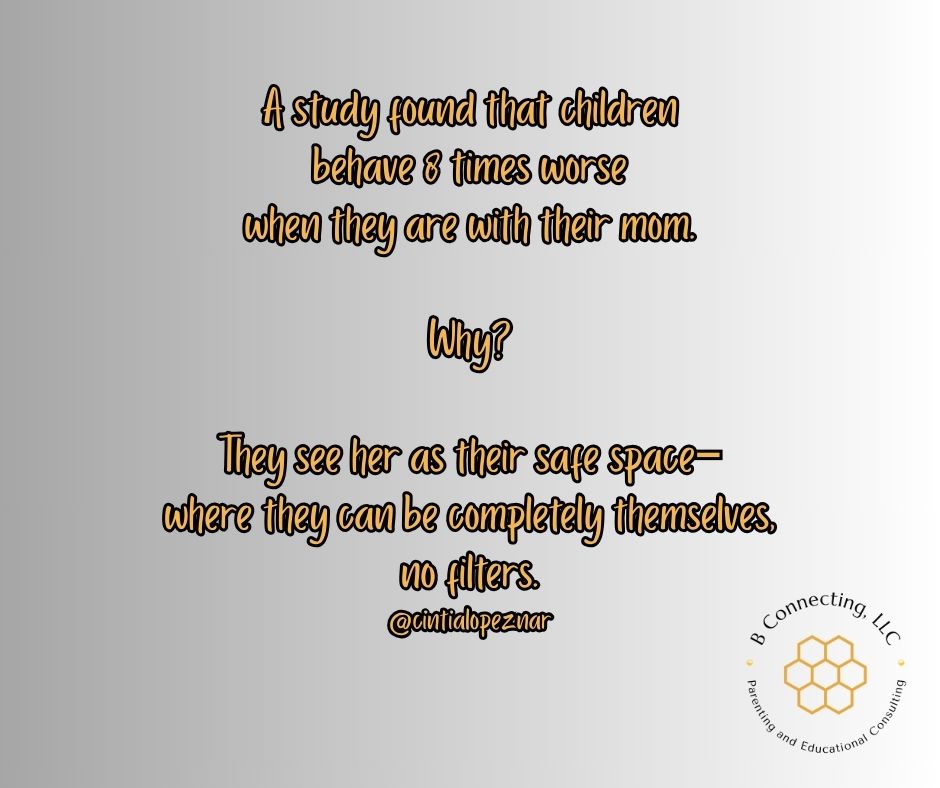
I have some bad news for parents and guardians. We often bear the brunt of our kids’ big feelings, regardless of their age. They yell, “I hate you!” They essentially use us as their emotional punching bags. They come home from school and slam doors when we ask how their day was. Why? Our kids pick us because they need to be mad at someone, and we are their safe target. That’s the trade-off of loving our kids unconditionally.
Our kids are allowed to be angry, just like we are allowed to be angry. They face unfairness at school, difficult peer situations, tough sibling interactions, high-pressure situations in the classroom and on the court and field, and several other triggers day in and day out. They know they will face consequences if they act out of anger at school or with their coaches, so they save it all up until they are in their safe place, with their safe person. Gee, aren’t we lucky?
So, we need to remember that all emotions are permitted, but not all behaviors are. That also means that parents need to avoid what we were taught to do – shut down the emotions and behaviors, demand respect, and teach a lesson – because we were taught to do that by the systems that fear big emotions and label any unwanted or uncomfortable behavior by kids as defiance. Now, we know better. We recognize that our kids’ brains aren’t fully developed and that they need to be taught how to self-regulate. Instead of getting ramped up and matching our kids’ energy when they act out, parents need to remain calm so our kids can match our energy and get out of their emotions and back into their logical minds – or, at least as logical as our kids can be.
We also know that sometimes, what presents as anger in our kids isn’t always anger. It can be fear, sadness, heartbreak, frustration, or other negative emotions that are so difficult for our kids to express and manage in healthy ways. When they say they hate us, it may not be defiance at all; rather, it may be their way of pushing back against a redirection, a correction, a punishment, or a missed opportunity to connect. “I hate you!” may actually be, “Do you still love me even after I made a mistake?” Their screams and closed doors could be saying, “I feel like we are broken, and I’m not sure how to fix it.”
And that’s why we need to avoid shutting it down, demanding respect, and teaching a lesson when our kids’ emotions take over. Don’t give a kid a lecture when what he really needs is a hug. Our kids are trying to make sense of what is happening with themselves, their worlds, and us. It’s hard work that taxes all of their internal systems. They need our guidance, which means we need to trigger a sense of safety in them and show them that we want to work with them to “fix things.” Scratch saying, “I am the parent, and you have no right to talk to me or treat me that way. You’re grounded!” And, instead say, “Hey, I think things are hard for you right now, and I want to understand what you’re feeling so I can help you figure this out.”
In the moments that matter the most, we show our kids that we love them. We maintain our role as the leader and the helper, which is what parents strive to be. We don’t withhold our love or support when they melt down. We don’t punish big feelings because we know that big feelings make our kids human. So, we work to understand, guide, and help them. Lose the idea that we need to control our kids and that we need to correct their behaviors immediately. Rather, show them how to manage their big feelings through co-regulation strategies, sit with them while they calm, and then talk it out and correct behaviors as needed. Love stays when things get hard. Our kids need to know that.
Of course, parents are human, too. And we have our own triggers, feelings, and reactions to stressors. It is possible to remain calm and respond appropriately instead of reacting emotionally when our kids melt down; we just need to know how to recognize our need for emotional regulation and use self-regulation and co-regulation strategies more proactively. I work with parents who want to self-regulate more effectively so they can parent more effectively, and I’d love to help you do the same. Reach out when you’re ready to schedule a consultation.

 B Connecting, LLC