~Bailey Shawley, M.Ed, CCTS-F, Specialized Parenting & Educational Consultant
When is the last time you sat down and really thought about what you have to do? Day in and day out, we make choices about how to spend our time, and often those choices are driven by a sense of obligation or guilt… or by just about anything other than our (and, sadly, even our families’) well-being. The uptick in virtual meetings during COVID also makes us feel like we have to attend every meeting now, since we can do it from the comfort of our homes while wearing pajama bottoms. We work on our phones and are connected to our messages and emails 24/7. We over-schedule, double-book, and rush. But, are we even pausing to think about why we do this to ourselves?
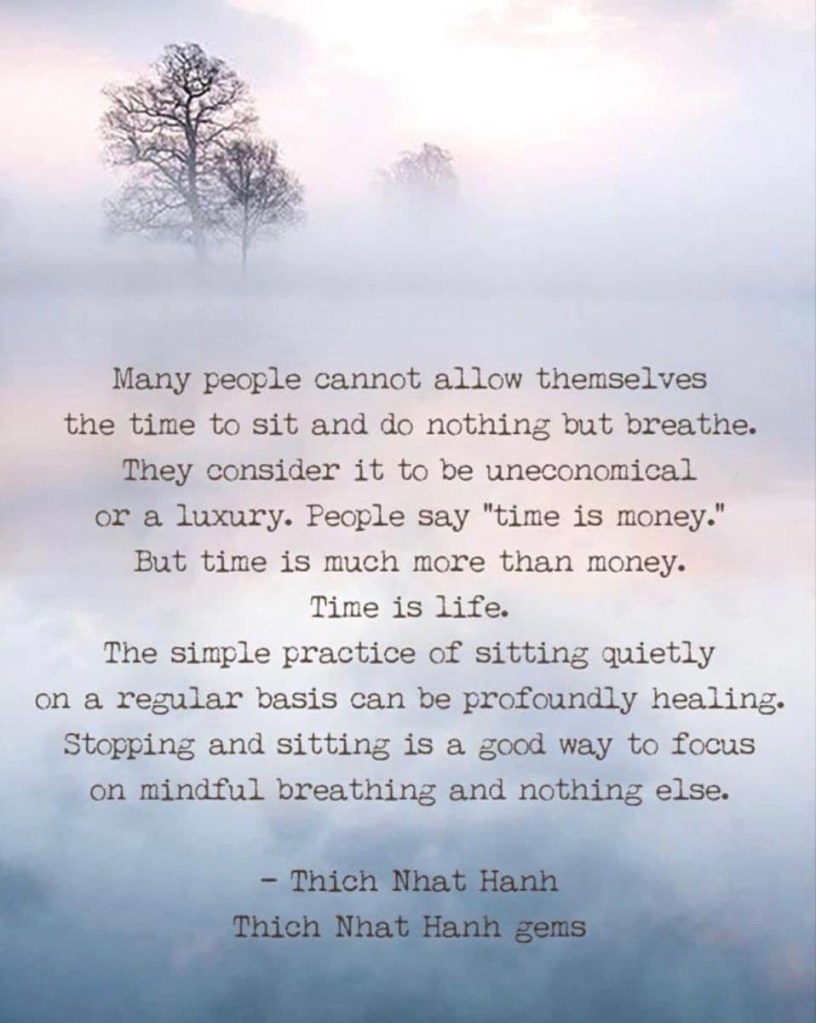
I’m not naive enough to think that we can just sit down and ignore our responsibilities to ourselves, our employers, our friends, and our families. (But doesn’t the thought of doing that sound wonderful? That’s why you need to use your sick days and PTO!) And I know that some nights, cooking and laundry are all we have time for because of mandatory overtime, mandatory meetings, and mandatory life stuff. But, I also know that sometimes, we choose what is familiar to us instead of what is good for us and our families. When that happens, we lack mindfulness.
Mindfulness may be one of those terms that you hear frequently but are not sure you fully understand. I really like mindful.org’s, definition of mindfulness: “the basic human ability to be fully present, aware of where we are and what we’re doing, and not overly reactive or overwhelmed by what’s going on around us.” The Mindful crew also reminds us that we all possess mindfulness, but we don’t all know how to access it. When I discuss being mindful with clients, I talk about it in terms of being present. When you are mindful, you are fully aware of what is going on in the here and now; your senses are attuned to what is around you, you are free from distraction, and you are not thinking about the past or worrying about the future. If that sounds easier said than done, you are not alone.
So, back to my original question: when is the last time you sat down and thought about what you have to do? If you are saying yes to everything and everyone, you are not being mindful. If you are scheduling appointments without looking at your calendar, you are not being mindful. If you are feeling like you meet yourself coming and going, you are not being mindful. So, we run ourselves ragged, don’t enjoy what we are doing in the moment because we are worrying about the next five things we have to do, and we are on our phones making sure we did not forget anything – all because we are not practicing mindfulness. And, a practice is exactly what mindfulness must be if it will benefit you. As with any other practice, the effort you put into mindfulness directly relates to the benefits you reap from it.
Earlier, when I said that we often choose what is familiar to us, that includes engaging in activities like scrolling endlessly on social media or getting engrossed in a terrible TV show or movie, instead of practicing mindfulness. Sometimes, those activities can be helpful. However, when we distract ourselves most of the time, we fail to key into our thoughts or emotions. That means we do not process our experiences or feelings, which is detrimental to our mental health and overall well-being. And it’s all because we are not practicing mindfulness.
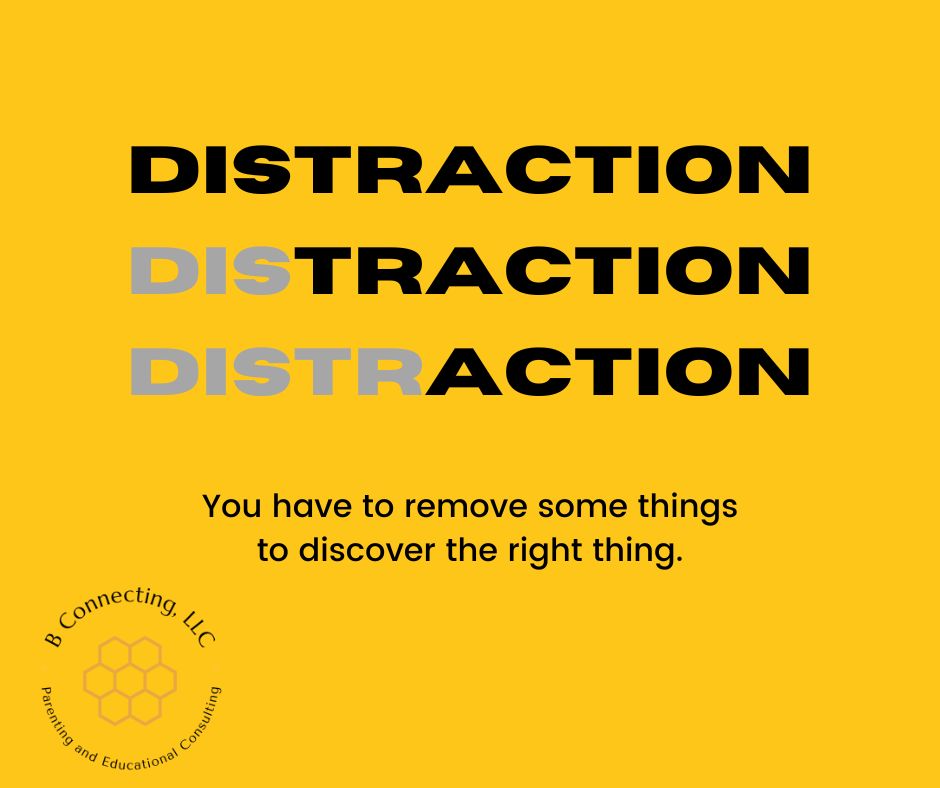
On the other hand, when we over-schedule ourselves and our families, we feel like we don’t have time to practice self-care strategies like mindfulness. When clients tell me they just don’t have time to engage in these activities, I ask them to track their screen time for the week. The majority of them return to session and report that they had no idea how much time they spent on their screens playing games, scrolling, and watching videos. Many of them truly are shocked by the number of minutes they spend on their screens. It is that lack of mindfulness about how we spend our time that leads us to feeling as though we just don’t have time to care for ourselves.
It’s a vicious cycle, but it’s one that can be broken by being more present. Fortunately, you can start off slowly with mindfulness to help develop the habit of practicing it. I encourage my clients to begin with calming breathing exercises, and I teach them a variety so they can choose the ones that they most enjoy. You can start by lying in bed when your alarm goes off and focusing on your breathing; pay attention to the rise and fall of your chest, how it feels when you inhale and exhale, and the sounds you hear. A couple of times during your day, repeat the exercise with your eyes closed to help eliminate distractions. Once you are settled into bed for the night, use the exercise to relax and promote sleep.
I also suggest that you begin implementing mindfulness by looking at your calendar and purposefully choosing what you have to do and what you want to do and eliminating the rest. That act of sitting down and making a conscious choice will help you prioritize and make more time for yourself and your family. Then, when you engage in the activities that you have chosen, ditch your devices. You will be so much more present without the notifications and temptations of your phone. Just wait until you see how much your stress level and anxiety improve when you unplug more often.
There are a plethora of techniques and strategies to use when practicing mindfulness, and you can find several effective ones by doing a quick internet search. Making the decision to implement mindfulness consistently is the most difficult step of practicing it. I guarantee it’s a decision that you won’t regret.
If you struggle to practice mindfulness consistently or don’t feel as though you are getting your mindfulness practice quite right, reach out to schedule an individual consultation. The initial consultation is free of charge to ensure we are a good fit for one another. Or, if you find yourself struggling to relax enough to benefit from calming breathing exercises, reach out to schedule a Reiki healing session. I offer half-hour and hour-long Reiki sessions for anyone ages 5 and up. All B Connecting, LLC services are confidential and judgment free.

 B Connecting, LLC